Comprehensive Guide to Video Production in Somerset West
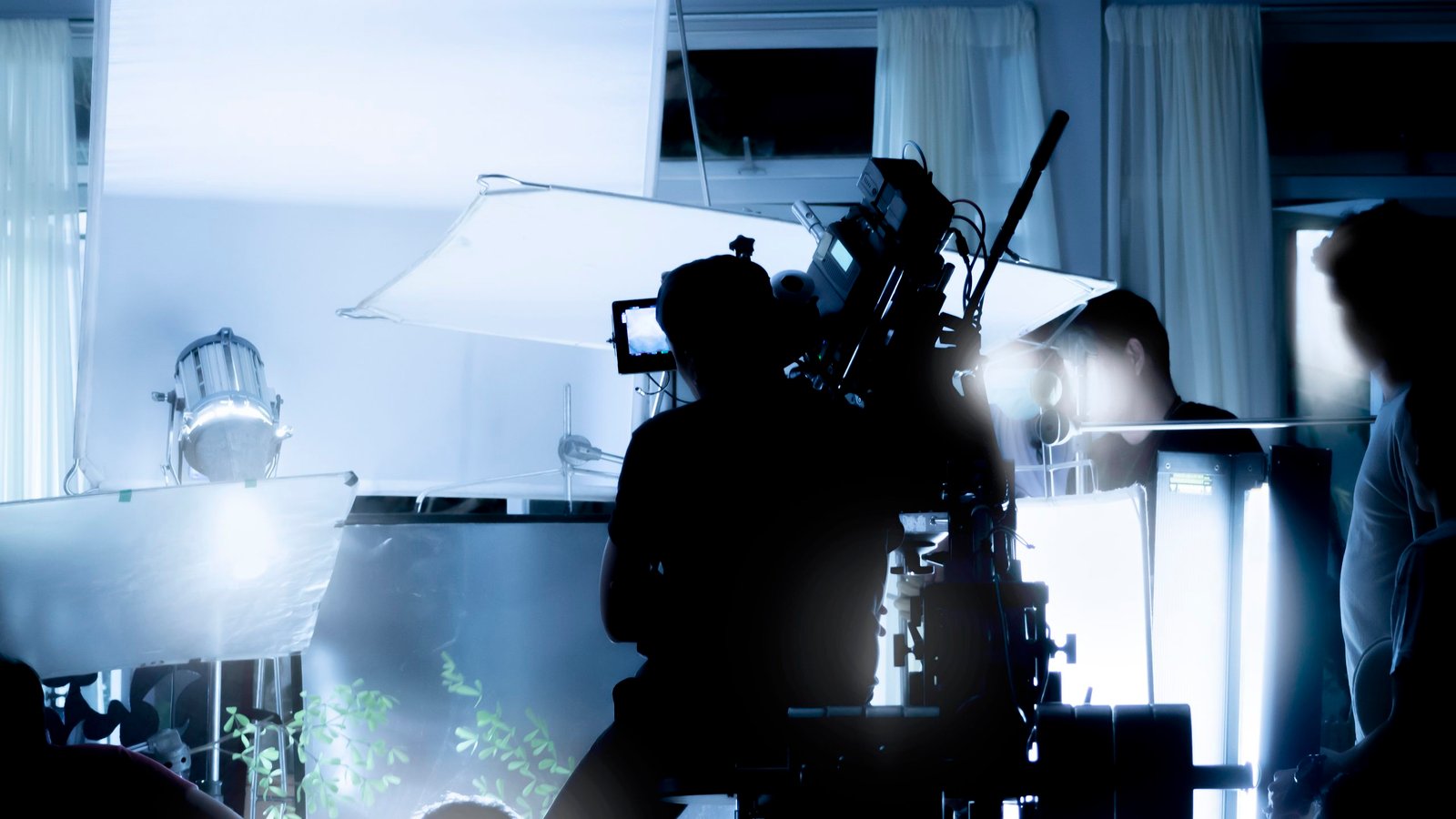
Video production in Somerset West has become one of the most powerful ways for businesses to communicate, build credibility and compete for attention online. However, effective video production is about far more than pointing a camera at a subject and pressing record.
In Somerset West, Cape Town and across the Western Cape, businesses are increasingly using professional video to introduce their brands, explain complex services, showcase properties, communicate with customers, support marketing campaigns and create consistent social media content.
The difference between ordinary content and genuinely effective video often comes down to what happens before, during and after the shoot.
Professional video production combines creative direction, planning, cinematography, sound, lighting, editing, colour grading, motion graphics and storytelling into one cohesive process. When those elements work together, the finished video does more than look good. It communicates a message clearly and gives the audience a reason to keep watching.
At Tycho Studio Collective, we approach video production from a post-production-first perspective. We believe strong footage becomes significantly more powerful when it is supported by purposeful editing, pacing, sound design, colour and visual storytelling.
Whether you are a corporate business in Somerset West, a property developer in Cape Town, a professional services firm in Stellenbosch, a hospitality brand or a growing South African company, understanding the production process can help you make better decisions about your next video project.
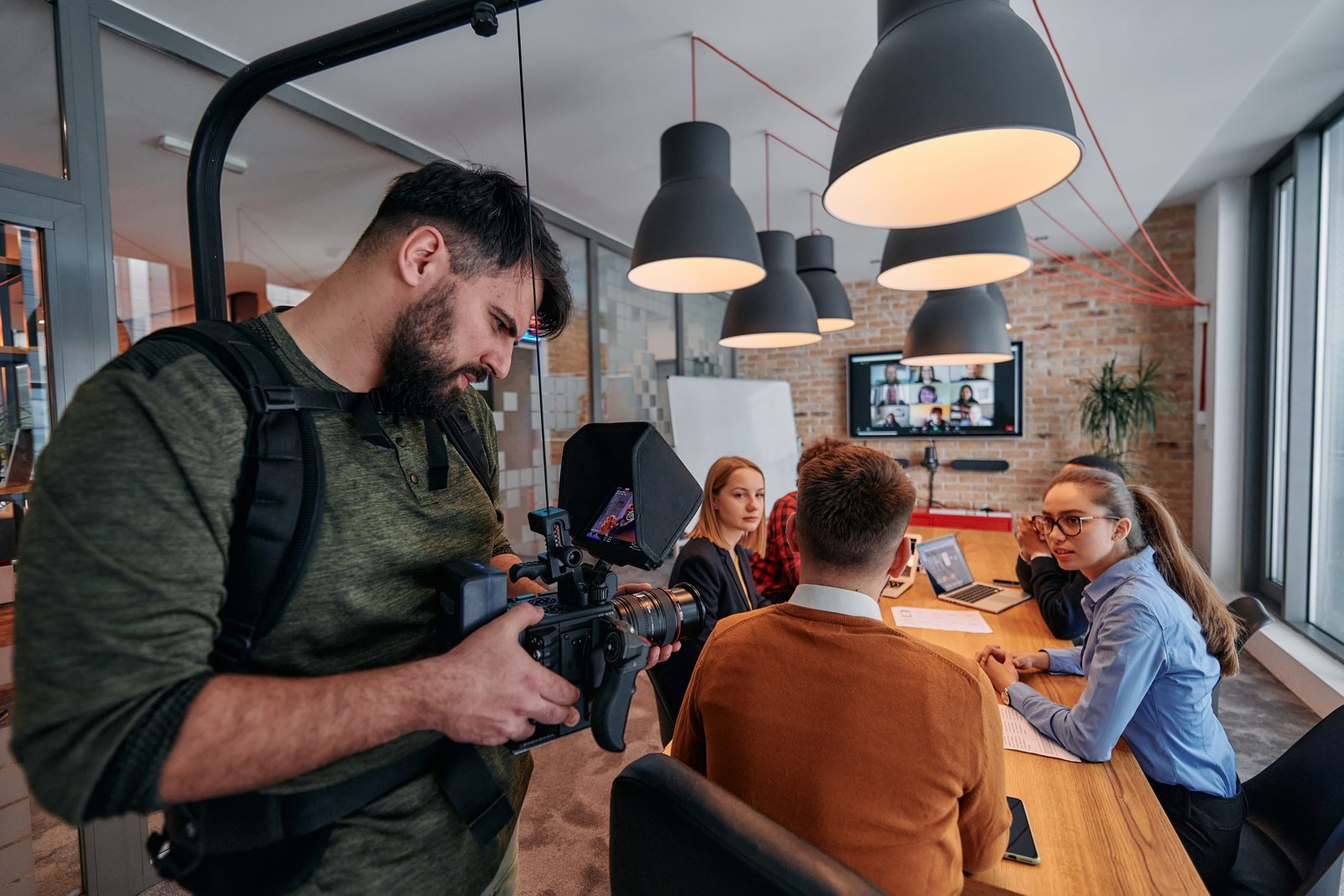
What Does Professional Video Production in Somerset West Involve?
Professional video production generally involves three connected stages:
-
- Pre-production – developing the concept, message, script, schedule and shot list.
-
- Production – filming the required footage, interviews, photography, audio and supporting visuals.
-
- Post-production – editing, colour grading, sound design, motion graphics, captions and final delivery.
The strongest productions treat these stages as one creative process rather than separate tasks.
A beautiful camera image cannot rescue a poorly planned story. Likewise, excellent footage can lose its impact through weak editing, poor sound or inconsistent visual direction.
What Is Professional Video Production?
Video production is the process of creating visual content from an initial idea or business objective through to a finished video.
Depending on the project, this can include:
-
- Corporate videos
-
- Company profile videos
-
- Brand films
-
- Commercial videos
-
- TV commercials (TVCs)
-
- Advertising campaigns
-
- Promotional videos
-
- Product videos
-
- Social media video content
-
- Short-form video
-
- Long-form video
-
- Interview and testimonial videos
-
- Training and educational videos
-
- Property and real estate videos
-
- Event videography
-
- Music videos and artist content
-
- Recruitment and employer branding videos
-
- OOH and billboard advertising campaigns
-
- Digital Out-of-Home (DOOH) content
-
- YouTube and branded content
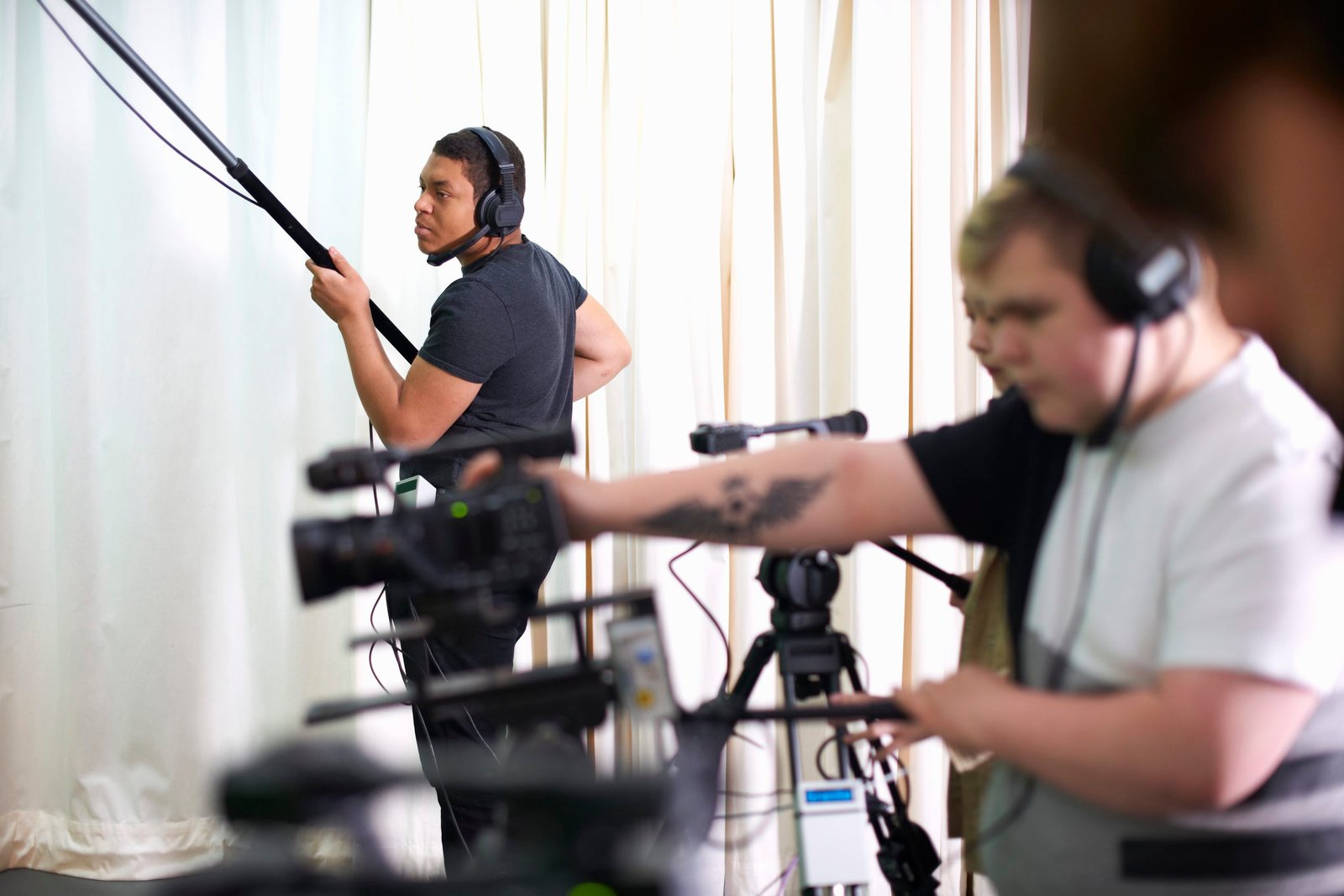
A professional production may involve a producer, director, videographer, camera operator, sound professional, editor, colourist, motion designer or other specialists.
However, the size of the crew is not what determines whether a production is effective.
The real question is whether the production has a clear purpose, strong visual direction and appropriate level of execution for the brand and audience.
For a professional services company, that might mean an interview-led corporate film supported by carefully selected B-roll. Meanwhile, a property developer could use cinematic real estate footage to communicate scale, materials and lifestyle. Similarly, a marketing team might use a single production to generate dozens of high-quality social media assets.
That is where strategic video production becomes particularly valuable.
Understanding the Video Production Process in Somerset West
Video Production Pre-Production: Planning the Project
Strong video production begins before the camera arrives.
Pre-production establishes what the video needs to achieve and how the production will achieve it. Depending on the project, this can include creative development, research, scripting, storyboarding, location planning, scheduling, shot lists, interview preparation, talent coordination and equipment planning.
For corporate video production, one of the most important questions is:
What does the audience actually need to understand, feel or do after watching this?
That question helps determine everything from the structure of the interview to the B-roll required.
A production may look impressive but still fail if the message is unclear. Conversely, a relatively simple production can be highly effective when the story, visuals and audience are aligned.
For larger projects, pre-production can also include:
-
- Creative treatments
-
- Storyboards
-
- Location scouting
-
- Production schedules
-
- Lighting plans
-
- Interview questions
-
- Teleprompter scripts
-
- Brand guidelines
-
- Shot lists
-
- Deliverable planning
-
- Platform requirements
Good planning reduces wasted production time and gives the editor better material to work with later.
Video Production: Capturing the Footage
Production is where the planning becomes physical.
This includes filming interviews, performances, products, locations, environments, processes and supporting B-roll.
Professional cinematography involves much more than camera resolution. Lighting, composition, camera movement, lens selection, exposure, framing and colour all influence how the audience perceives a subject.
Audio is equally important.
A beautifully shot interview with distracting background noise, inconsistent microphone levels or poor room acoustics can immediately reduce the perceived quality of the final video.
For that reason, professional video production considers the entire image-and-sound experience rather than treating the camera as the centre of the production.
For businesses, B-roll is particularly valuable.
Instead of relying entirely on a talking-head interview, supporting footage can demonstrate the environment, people, products, processes and details being discussed.
This gives the editor more opportunities to create movement, rhythm and visual context.

Video Post-Production: Where the Story Takes Shape
Post-production is where captured footage becomes a finished piece of communication.
It can include:
-
- Video editing
-
- Story construction
-
- Professional colour grading
-
- Sound design
-
- Audio mixing
-
- Music
-
- Motion graphics
-
- Animated text
-
- Lower thirds
-
- Captions and subtitles
-
- Visual effects
-
- Transitions
-
- Thumbnail design
-
- Platform-specific exports
This stage is especially important for businesses that want content to feel polished rather than generic.
Editing determines what the audience sees, when they see it and how long they stay with it.
A strong editor can remove unnecessary information, improve pacing, strengthen a narrative and bring attention to the most important moments.
Colour grading can create visual consistency and reinforce a brand’s identity. Sound design can add subtle depth and impact. Motion graphics can simplify complex information and make corporate communication easier to understand.
In other words, post-production is not simply “putting clips together.”
It is a significant part of the creative process.
What Makes Cinematic Video Production Different?
The word “cinematic” is often used loosely in the video industry.
Cinematic video production is not simply footage shot in a particular resolution or with a shallow depth of field. It is about creating a deliberate visual and emotional experience.
That can involve:
-
- Intentional composition
-
- Controlled lighting
-
- Purposeful camera movement
-
- Strong visual contrast
-
- Thoughtful lens selection
-
- Consistent colour treatment
-
- Layered sound design
-
- Narrative structure
-
- Deliberate pacing
-
- Detailed post-production
The goal is to make every creative decision serve the story.
For premium brands, this can be particularly valuable because visual quality contributes to how audiences perceive professionalism, credibility and attention to detail.
A construction company, engineering consultancy or property developer may have highly technical work that is difficult to communicate through static text alone. Cinematic visual storytelling can turn those technical details into something audiences can understand and remember.
The same principle applies to hospitality, luxury products, architecture, professional services and corporate brands.
Cinematic does not have to mean dramatic.
It means intentional.

Why Video Marketing Matters for Businesses in Somerset West
Businesses increasingly need visual content across multiple digital touchpoints.
A single production can potentially support:
-
- Website content
-
- YouTube
-
- TikTok
-
- Digital advertising
-
- Presentations
-
- Sales material
-
- Internal communications
-
- Email marketing
-
- Recruitment
-
- Events
This makes video production more valuable when it is planned as a content system, rather than as one isolated video.
For example, a two-hour corporate shoot could potentially produce an interview, supporting B-roll, short-form social media videos, photographs, quote graphics and additional campaign assets.
The key is planning the production around the final deliverables from the beginning.
This approach can also make professional production more accessible to businesses that need consistent content but do not require a large production house for every individual video.

Corporate Video Production in Somerset West
Corporate video production covers a broad range of business communication.
Common examples include:
-
- Company profile videos
-
- Executive interviews
-
- CEO messages
-
- Client testimonials
-
- Case studies
-
- Recruitment videos
-
- Training content
-
- Internal communications
-
- Corporate event coverage
-
- Brand films
-
- Service explainers
-
- Project showcases
For professional businesses, credibility is often more important than chasing trends.
A corporate video should reflect the standards of the organisation behind it.
For example, an engineering company may need technical information presented clearly and professionally. A property developer may need to communicate design, scale and investment value. A professional services firm may need to establish trust before a potential client ever makes contact.
This is why the creative direction should begin with the business objective rather than with a particular camera style.

Commercial and Brand Video Production in Somerset West
Commercial video production is often built around a specific marketing objective.
That might be:
-
- Launching a product
-
- Promoting a service
-
- Increasing awareness
-
- Supporting an advertising campaign
-
- Introducing a brand
-
- Promoting an event
-
- Generating leads
-
- Building a stronger digital presence
Brand video production takes a slightly broader approach.
Rather than simply explaining what a business sells, a brand film can communicate its personality, values, positioning and visual identity.
For premium businesses, that distinction matters.
A brand should not only tell people what it does. Its visual communication should help demonstrate why the business is worth paying attention to.

The Importance of Storyboarding and Scripting
Not every video requires a formal storyboard.
However, almost every professional production benefits from some form of creative structure. In practice, the level of planning simply needs to reflect the complexity and objectives of the project.
For example, a script helps establish what needs to be said.
Similarly, a storyboard helps establish what needs to be seen.
Meanwhile, a shot list helps establish what needs to be captured.
Together, these elements create a roadmap for production, helping the team understand what needs to happen before filming begins.
For an interview-led corporate video, for instance, the process may be less rigid. Rather than scripting every sentence, the production team can prepare strategic questions designed to draw out useful answers. As a result, the conversation can remain natural while still producing focused and purposeful content.
By contrast, a commercial campaign may require a much more detailed approach. In this case, a comprehensive script and storyboard can help establish the visual direction, messaging, shots and sequence before production begins.
Ultimately, the important thing is to match the planning process to the complexity of the project.
On the one hand, over-planning a simple social media video can waste time and resources. On the other hand, under-planning a major commercial campaign can lead to delays, additional production costs and expensive reshoots.
For this reason, effective pre-production is not about planning as much as possible. Instead, it is about planning enough to give the production a clear direction while remaining appropriate to the project’s requirements.
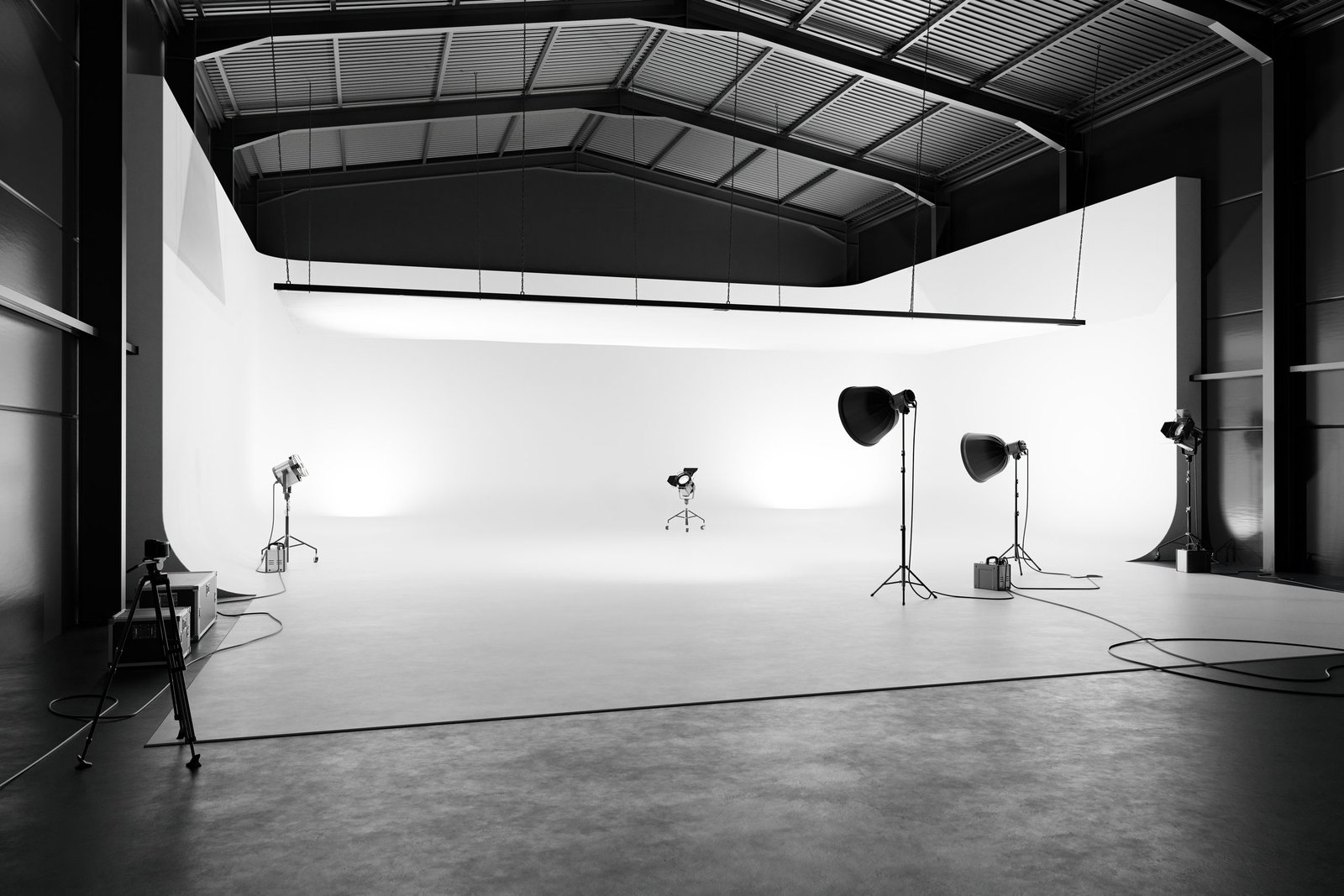
How Much Does Video Production Cost in Somerset West?
There is no single price for professional video production.
Instead, the investment depends on the scope, complexity and requirements of each project.
For example, factors can include:
-
- Number of filming days
-
- Number of locations
-
- Crew requirements
-
- Camera and lighting equipment
-
- Audio requirements
-
- Talent or presenters
-
- Creative development
-
- Scriptwriting
-
- Production management
-
- Travel
-
- Video editing
-
- Colour grading
-
- Sound design
-
- Motion graphics
-
- Animation
-
- Number of final deliverables
-
- Required turnaround time
-
- Distribution requirements
As a result, a simple interview video and a multi-location commercial campaign are fundamentally different productions, with very different levels of planning, production and post-production involved.
For this reason, comparing video production based purely on a single quoted price can be misleading. After all, two quotes may appear similar on the surface while including very different levels of production, editing and final deliverables.
Instead, businesses should compare what is actually included in the production, how the project will be executed and whether the proposed deliverables are appropriate for their objectives.
Ultimately, the value of a video production project is not determined by the price alone, but by the quality, scope and usefulness of what is delivered.
Choosing a Video Production Company in Somerset West
Choosing a production partner should go beyond simply looking at a showreel. Instead, businesses should consider the broader capabilities, experience and approach of the production company before making a decision.
Research Local Video Production Companies in Somerset West
To begin with, look for companies with experience producing the type of content you actually need. After all, different types of productions often require different creative and technical approaches.
For example, a studio specialising in commercials may approach a corporate training project differently from a studio focused primarily on social media content.
In addition, consider:
-
- Location
-
- Relevant industry experience
-
- Production capabilities
-
- Editing and post-production expertise
-
- Photography capabilities
-
- Turnaround times
-
- Communication
-
- Portfolio quality
-
- Client testimonials
-
- Project scope
-
- Strategic understanding
Furthermore, it is worth considering how well a production partner can support your project beyond the filming itself. Strong editing, post-production, photography and content strategy can, for instance, make it easier to maintain a consistent visual standard across multiple types of content.
At the same time, location can play an important practical role. Working with a local video production company in Somerset West can make logistics easier for Western Cape businesses, particularly when productions involve multiple locations, regular filming or ongoing content requirements.
Ultimately, the right production partner should not only be able to produce high-quality footage, but should also understand how that footage needs to work within the wider goals of your brand and content strategy.
Evaluate a Video Production Portfolio
A portfolio should tell you more than whether a company can produce attractive images.
Instead, it should give you a clear indication of how the studio approaches storytelling, production and post-production as a whole.
For example, consider the following:
Storytelling: Does the content communicate something clearly?
Editing: Does the pacing feel intentional and support the story?
Sound: Is dialogue clear and professionally mixed?
Colour: Does the footage feel consistent from shot to shot?
Motion graphics: Are graphics purposeful rather than simply decorative?
Variety: Can the studio adapt to different industries, audiences and content requirements?
Consistency: Is the quality reliable across multiple projects and different types of production?
Furthermore, look beyond individual standout pieces. A single impressive video can demonstrate what a studio is capable of, whereas a broader portfolio can show whether that standard is consistently achievable.
Ultimately, the most important question is whether the portfolio demonstrates the standard you want your own brand associated with. After all, the production company you choose will play a significant role in shaping how your business is presented visually.
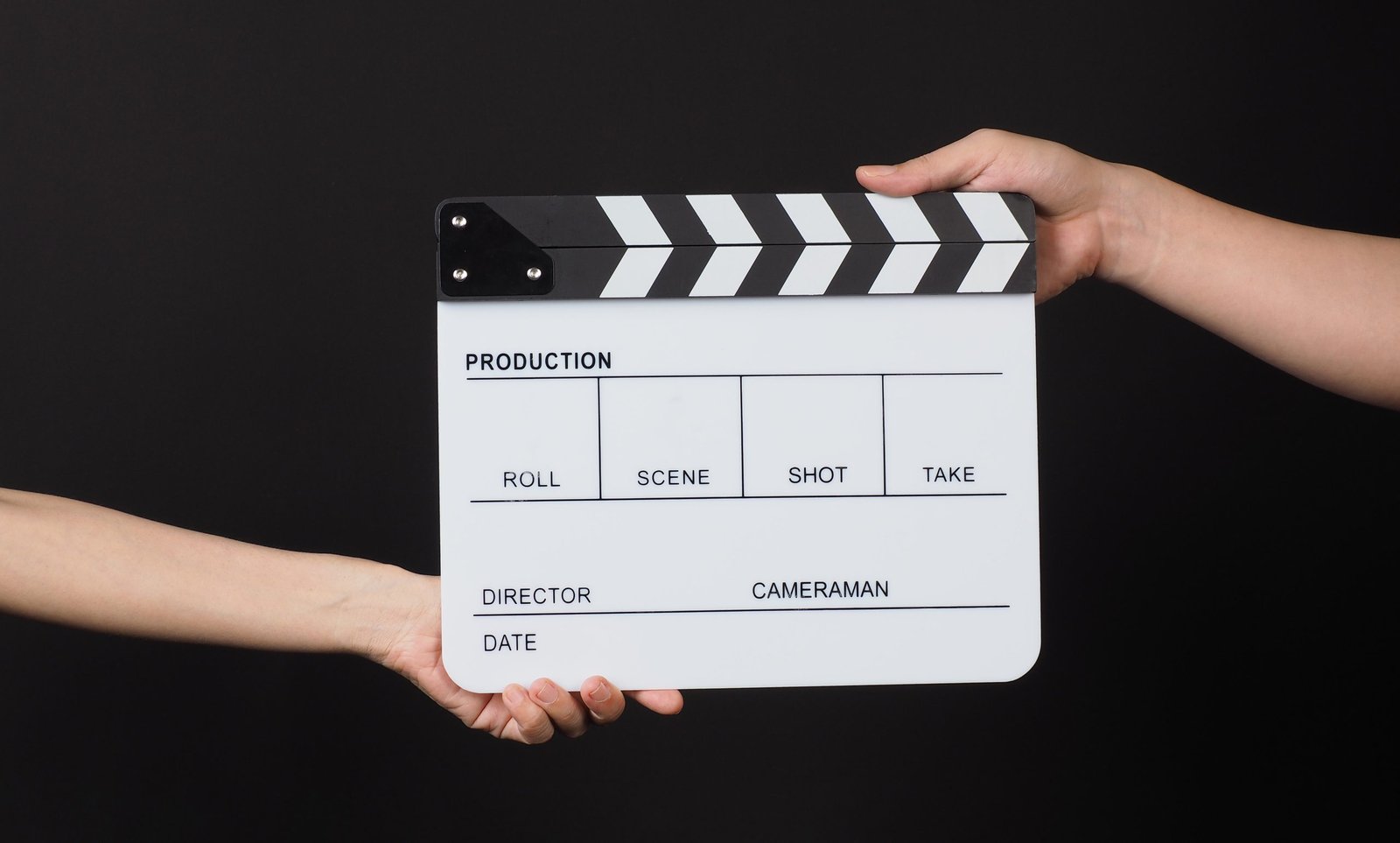
Why Post-Production Can Make or Break a Video
Production gets the footage.
However, post-production determines what that footage becomes.
For this reason, the distinction is particularly important when evaluating video production companies. Two companies can film the same interview using similar cameras and, yet, produce dramatically different results.
In many cases, the difference comes down to what happens in the edit. This can include:
-
- Story selection
-
- Editing rhythm
-
- Sound design
-
- Colour grading
-
- Music
-
- Motion graphics
-
- Typography
-
- Captions
-
- B-roll selection
-
- Narrative structure
As a result, professional video editing is not simply a technical finishing step. Instead, it is a form of creative problem-solving that shapes how the audience experiences the story.
For example, the editor decides which moments deserve emphasis, which information should be removed, where the story should accelerate and, conversely, where it needs space to breathe.
Furthermore, editing allows seemingly separate pieces of footage to become a cohesive narrative. Through pacing, sound, colour, B-roll and visual elements, the editor can guide attention and create a much more intentional viewing experience.
Ultimately, for businesses investing in video, these decisions can have a significant impact on how the finished content is perceived — and, consequently, how the brand itself is perceived.

Professional Video Production vs. Generic Social Media Content
There is a growing difference between creating content and producing high-quality visual communication. While generic content can help a business maintain an online presence, professionally produced video takes a more deliberate approach to how a brand is presented.
In many cases, generic social media production prioritises volume: more posts, more videos and more frequent publishing. Although this approach can work well for some businesses, it does not necessarily provide the level of visual quality or brand consistency required by companies competing at a premium level.
By contrast, professional video production provides greater control over the elements that shape how an audience experiences a brand, including:
-
- Visual identity
-
- Cinematography
-
- Storytelling
-
- Audio quality
-
- Editing
-
- Colour
-
- Motion graphics
-
- Brand consistency
-
- Campaign integration
At the same time, this does not mean businesses need to choose between professional production and consistent social media content. Instead, the two can work together as part of a more effective content strategy.
For example, a professionally produced shoot can create high-quality source material, which can then be transformed through strategic editing into multiple platform-ready assets. As a result, one production can support a broader content campaign across LinkedIn, Instagram, YouTube, digital advertising and other channels.
Ultimately, this approach creates a valuable middle ground between traditional production houses and high-volume social media agencies: premium visual production supported by strategic content creation and professional post-production.
Video Production Trends in South Africa
The video landscape continues to evolve rapidly.
Short-form vertical video has become an important format for social platforms, while businesses continue to invest in longer-form video for websites, YouTube, corporate communications and campaigns.
Several trends are particularly relevant to businesses:
Short-form video
Short-form content can communicate ideas quickly and provide businesses with a consistent presence across platforms such as Instagram, TikTok and YouTube Shorts.
Long-form business content
Corporate interviews, educational videos, podcasts, webinars and YouTube content remain valuable for businesses that need to communicate more complex information.
Content repurposing
A single production can be planned to generate multiple deliverables rather than one final video.
Cinematic social content
Businesses are increasingly looking for social media content that feels more considered and visually polished than traditional quick-turnaround content.
Motion graphics
Animated typography, lower thirds, diagrams and infographic elements can make technical or information-heavy content easier to understand.
Professional post-production
As audiences become accustomed to high-quality video, editing, sound and colour increasingly influence perceived production value.
For businesses interested in the broader South African audiovisual market, the NFVF’s industry research provides data and reports covering areas such as audience behaviour, local content and developments within the film and video industry.
The South African film and video industry is also supported through a national institutional framework, including the National Film and Video Foundation, established under the National Film and Video Foundation Act 73 of 1997.
What Should You Ask a Video Production Company?
Before booking a production, ask:
-
- What is the primary objective of the video?
-
- Who is the target audience?
-
- Where will the video be published?
-
- How many final deliverables are required?
-
- Will the footage also be used for social media?
-
- Is professional editing included?
-
- Is colour grading included?
-
- Is sound design included?
-
- Are motion graphics required?
-
- How many filming locations are involved?
-
- What is the expected turnaround time?
-
- Who owns or licenses the final content?
-
- Are RAW, original, or editable files included?
-
- What happens if additional edits are required?
-
- Can the production be structured to create multiple pieces of content?
These questions can prevent misunderstandings and help businesses compare proposals based on actual value rather than price alone.
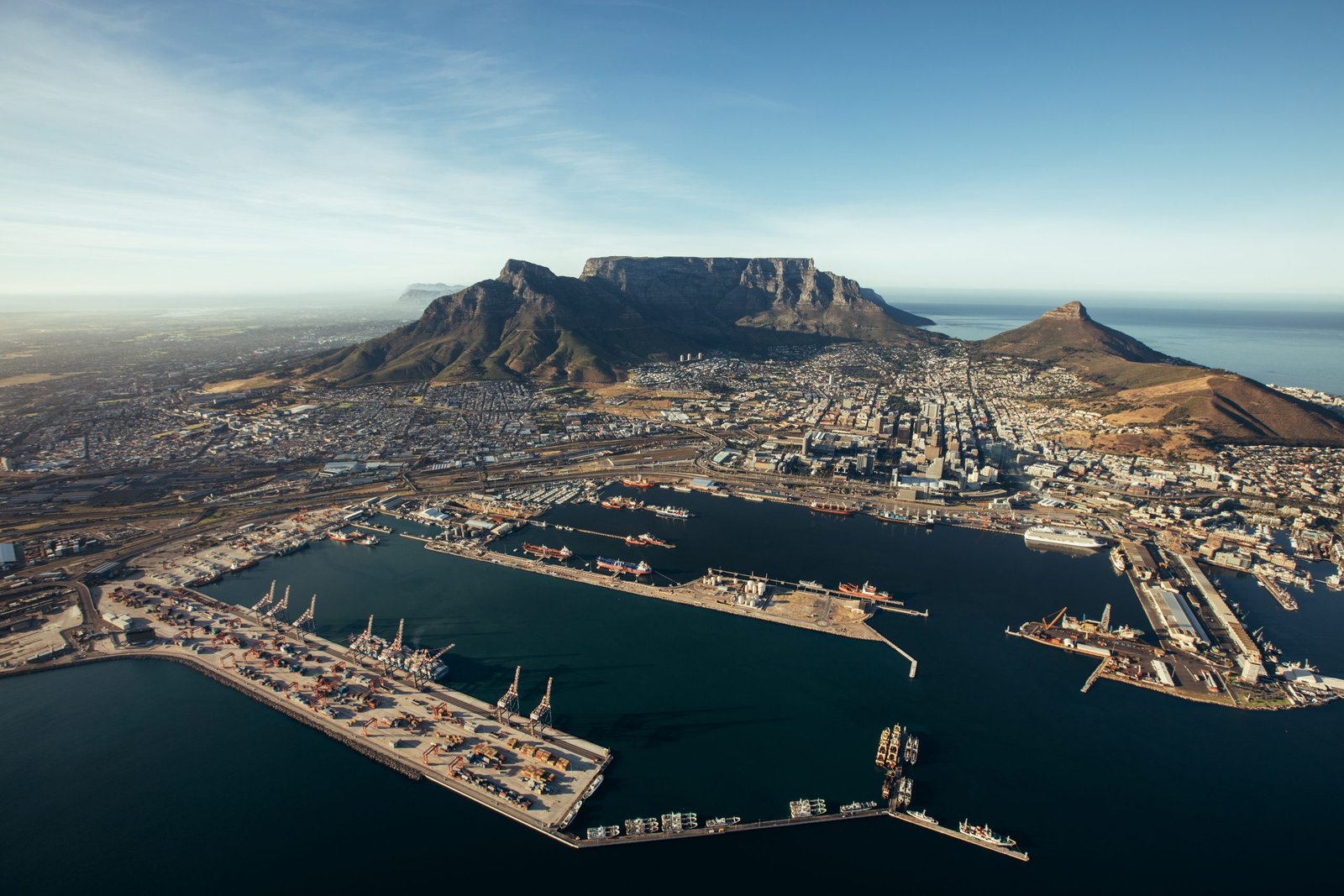
Video Production in Somerset West and Across the Western Cape
Somerset West sits within a wider commercial ecosystem that includes Stellenbosch, Cape Town, the Helderberg, the Northern Suburbs and the broader Western Cape. As a result, businesses in the region have access to a diverse and growing network of professional creative and commercial services.
At the same time, this makes the region an increasingly practical base for businesses looking for professional video production without necessarily working with a large traditional production house for every project. Instead, businesses can work with a more agile production partner that can adapt its services to suit different projects, budgets and content requirements.
In addition, a local production partner can support businesses with recurring content, corporate video production, commercial projects, social media video production, photography and post-production. This is particularly valuable for businesses that need consistent, high-quality visual content across multiple platforms rather than a single standalone production.
Furthermore, for businesses operating across South Africa, production can extend beyond the Western Cape when a project requires it. Consequently, a local production relationship does not necessarily limit a brand to local projects, allowing content production to scale across different locations and campaigns.
At Tycho Studio Collective, our focus is therefore on creating professional visual content that combines production quality with strong post-production. Rather than treating filming and editing as separate processes, we approach them as connected parts of the same creative workflow.
Ultimately, we work across video editing, video production, photography, corporate content, branded video, social media content and visual storytelling, helping businesses turn ideas and raw footage into polished, purposeful content designed for modern digital platforms.
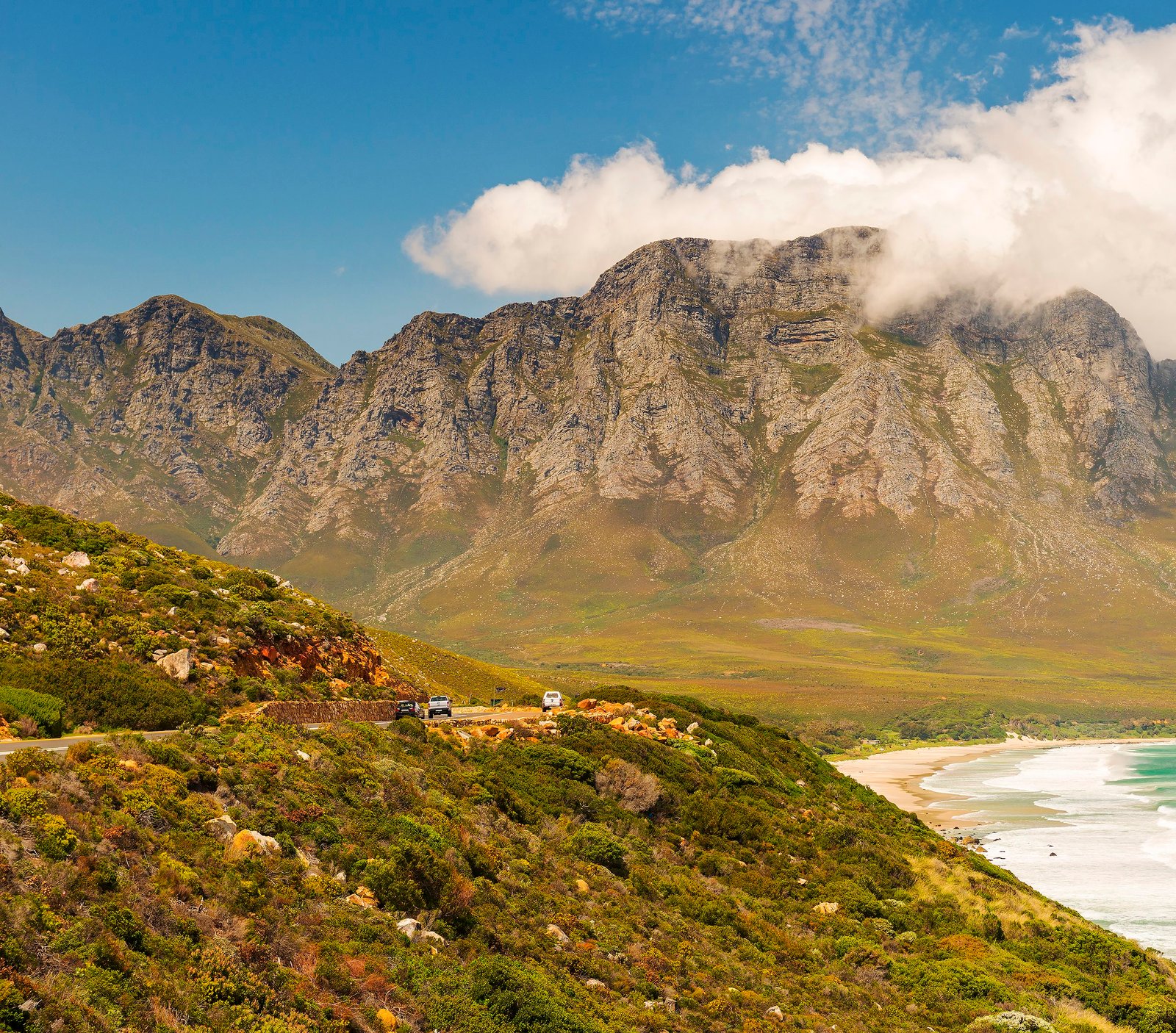
Frequently Asked Questions About Video Production in Somerset West
What does a video production company do?
A video production company manages some or all stages of creating professional video content, including creative development, pre-production, filming, editing, colour grading, sound design, motion graphics and final delivery.
How much does video production cost in Somerset West?
Video production costs vary according to the production scope. Filming locations, production days, crew, equipment, editing, motion graphics, sound design and the number of final deliverables can all influence the overall project investment.
Do businesses need professional video production?
Not every business requires the same level of production. However, professional video can be particularly valuable when a business needs to communicate complex information, strengthen its brand image, produce campaign content or create high-quality visual assets for multiple platforms.
What is the difference between videography and video production?
Videography generally refers to capturing video footage, while video production can encompass the complete process from concept and pre-production through filming and post-production.
What is cinematic video production?
Cinematic video production uses intentional cinematography, lighting, composition, camera movement, sound, editing and colour to create a more considered visual and emotional experience.
Can one video shoot create multiple social media videos?
Yes. When a production is planned around content repurposing, one shoot can generate multiple videos, photographs, interviews, B-roll sequences and social media assets.
Why is video editing important?
Editing shapes the story, controls pacing and determines how information is presented. Professional editing can also incorporate colour grading, sound design, captions and motion graphics to create a more polished final result.
Do you provide video production in Cape Town?
Yes. Professional video production can be provided across Cape Town, Somerset West, Durbanville, Paarl, Constantia, Bantry Bay, Clifton, Gordon’s Bay, and the Western Cape, with projects also available elsewhere in South Africa, such as Johannesburg & Pretoria, Nelspruit, and Durban/Kwazulu-Natal, depending on requirements.
Conclusion: Elevating Your Brand Through Video Production
Professional video production is no longer simply about creating something that looks good. Instead, the strongest business video communicates a clear message, reflects the quality of the brand behind it, and gives audiences a reason to pay attention.
More importantly, every stage of production contributes to that experience. From pre-production and cinematography through to professional video editing, colour grading, sound design and motion graphics, each element works together to shape how the final video is seen, understood and remembered.
For this reason, businesses in Somerset West, Cape Town and across South Africa have an opportunity to move beyond simply producing more content. Instead, the focus should be on creating better content with a clear purpose – content that not only captures attention, but also communicates professionally and supports a broader marketing objective.
At Tycho Studio Collective, we take this approach from concept through to final delivery. By combining professional video production with specialist post-production and visual storytelling, we create high-quality content for businesses, brands and organisations that want to communicate with greater impact. Whether you need a corporate video, cinematic brand film, commercial production, social media video content or professional video editing, we build each project around your objectives, audience and platform requirements.
Ultimately, great video is not simply about what the audience sees. It is about what they understand, what they remember, and what the content makes them do next.
Looking for professional video production in Somerset West or Cape Town?
Get in touch with Tycho Studio Collective to discuss your next project.